
Utility Microgrids:
A Different Way to Navigate Grid Pressure
Expanding Capacity Today for Tomorrow
If you’re managing utility infrastructure today, the pressure is coming from every direction. Demand is rising. Infrastructure is aging. Weather events no longer feel like edge cases.
So how can utilities balance reliability for customers with growing demand?
This is where microgrids start to shift the conversation. Not as a backup plan, but as a way to take control of how power is generated, managed, and delivered across your system.
A utility microgrid is a localized energy system that works with the grid under normal conditions and separates when needed. It integrates generation, storage, controls, and switching into one coordinated system that keeps critical operations running.
The result is not just resiliency. It is flexibility, visibility, and the ability to act instead of react.
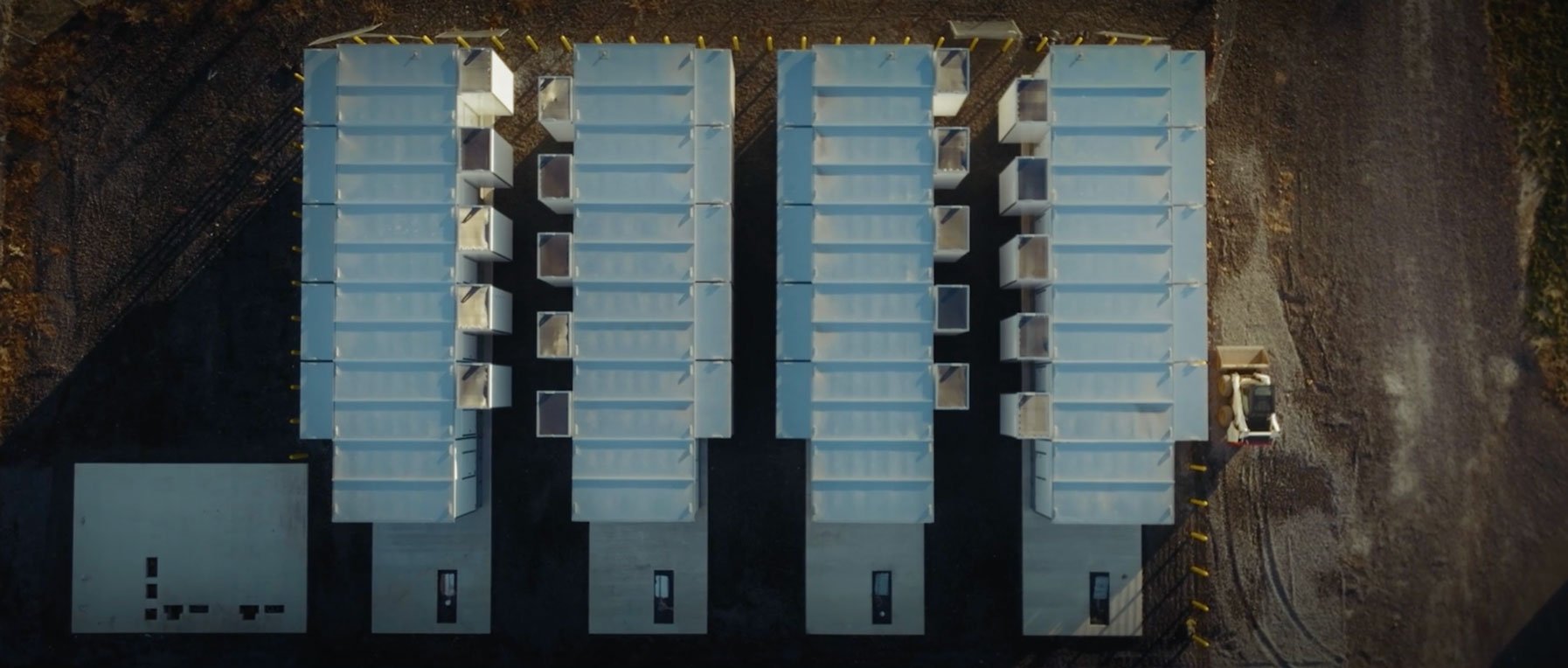
From grid constraint to operational control
A utility microgrid is not a standalone workaround. It is a localized, dispatchable system that can integrate with your distribution network under normal conditions and island when needed. It combines generation, storage, protection, and advanced controls into a coordinated asset you can operate with intent.
That shift matters.
Instead of relying solely on centralized generation and long lead-time upgrades, you gain a resource closer to the load. You can manage demand and maintain power quality in a way that aligns with how your system actually behaves today.
The advantage is not only resiliency. It is the ability to shape outcomes in real time.

Why utilities are leaning into microgrids now
You are balancing peak demand without overbuilding peaking capacity. You are integrating renewable generation without introducing instability. You are trying to serve large, fast-moving loads, while your infrastructure timeline remains fixed.
Microgrids address all three.
They allow you to keep critical loads energized during outage events, reduce stress during peak intervals, and coordinate distributed energy resources as part of a larger system strategy.
Just as important, they give you flexibility. When load profiles change, when policies evolve, or when new generation comes online, you are not forced into a full rebuild. You are working with assets that can scale and adapt.
That flexibility translates directly into avoided cost and preserved time-to-revenue.
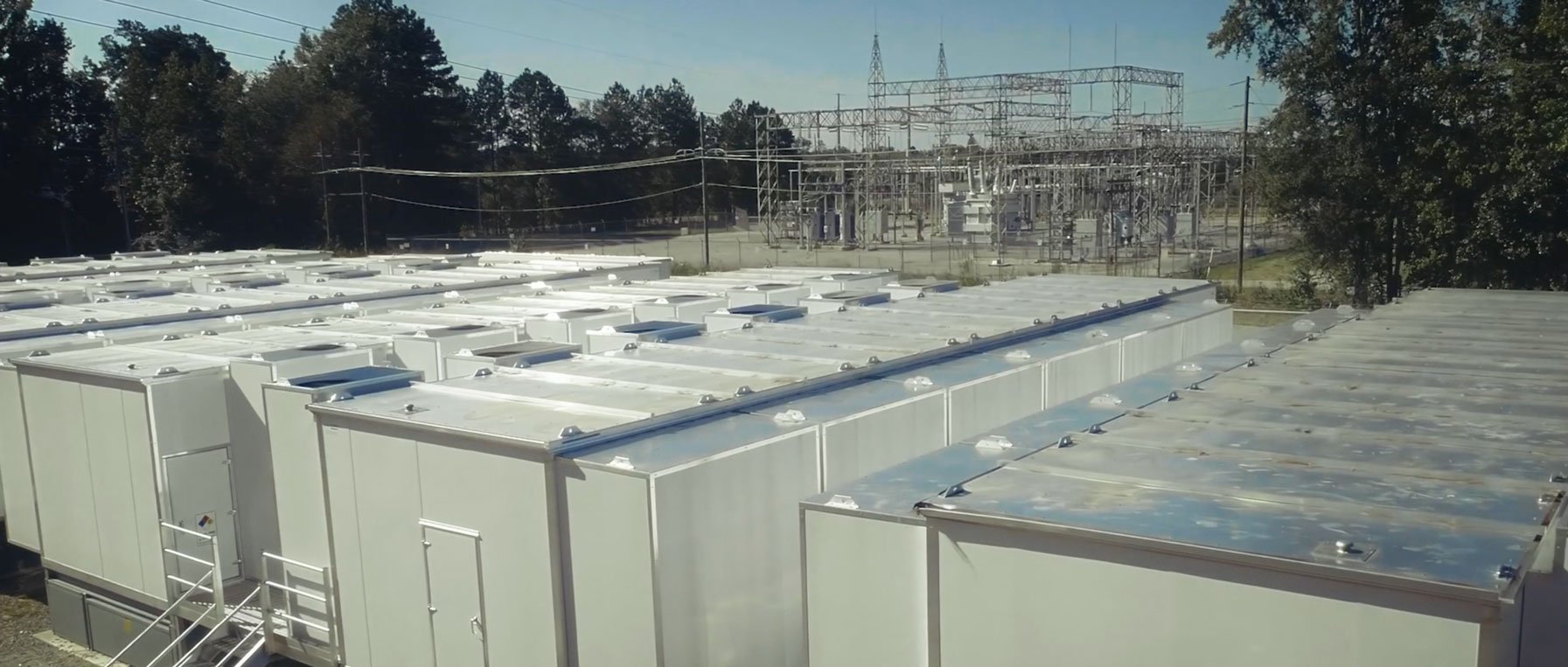
How PowerSecure works alongside your utility
This is where the partnership becomes operational.
We work with your team and facilities to design a system that aligns with your distribution network, your load profile, and the chosen facility’s load needs. From engineering through commissioning, the goal is to integrate generation, storage, and controls into a single, coordinated resource.
Because the full lifecycle is managed, from design through ongoing operation, you avoid fragmented execution and reduce project risk.
Once deployed, the system does not sit static. You maintain visibility into asset performance and can respond to grid conditions as they evolve.
That translates into something practical. You bring assets online faster, reduce delays in serving load, and create a clearer path from project approval to operational value.
Learn More About Getting Large Loads Online Faster:
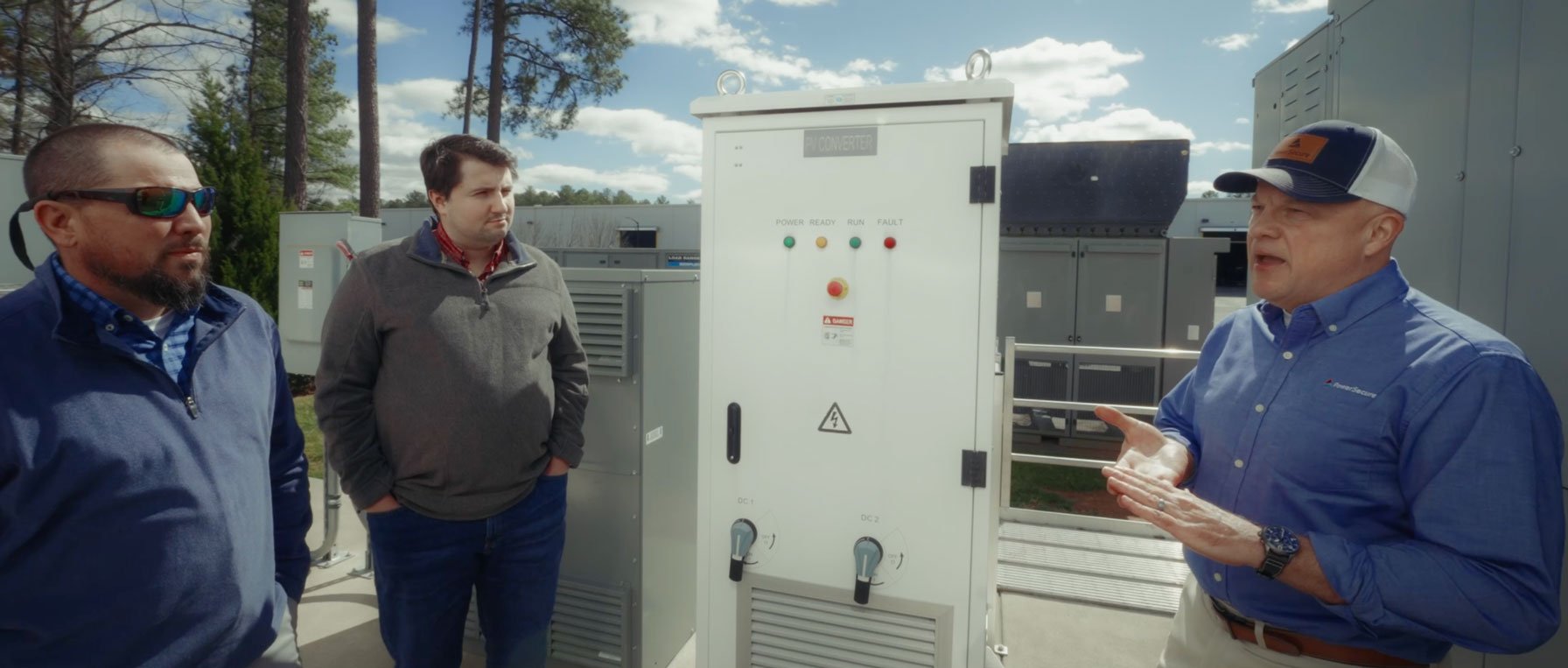
Let’s build what your system needs next
Every service territory has its own constraints. Your load growth, your DER mix, your infrastructure timeline- all of it shapes the right approach.
PowerSecure works with utilities to design and deploy microgrid solutions that align with how you operate today and where you need to go next.
When the grid alone is not enough, you still deliver.
Learn More About Our Partnerships:
How can microgrids transform your energy capacity?
Let’s talk about how PowerSecure can support your goals with flexible, reliable energy solutions.
Frequently Asked Questions
How can microgrids support utility resilience and grid modernization initiatives?
Microgrids can support utility resilience planning by providing localized energy infrastructure capable of supporting critical operations during grid disruptions. Through the integration of distributed generation, automated controls, and battery energy storage, microgrids help utilities improve operational continuity and support critical infrastructure environments.
Utility-interactive microgrids can contribute to grid modernization infrastructure strategies by enabling more effective distributed energy resource integration, improving smart energy management, and supporting both grid-connected and islanded operation based on utility objectives.
Why is utility coordination important during microgrid planning and deployment?
Utility coordination helps ensure that distributed energy infrastructure aligns with broader operational requirements and grid reliability planning objectives. Effective coordination often includes evaluating interconnection requirements, protection strategies, load prioritization, redundancy planning, commissioning activities, and operational readiness.
Integrated project coordination can also improve communication among utilities, engineers, contractors, municipalities, and infrastructure stakeholders throughout deployment. This collaborative approach helps support successful implementation while promoting long-term system performance and reliability.
How does PowerSecure support utilities with distributed energy infrastructure projects?
PowerSecure supports utilities through the design, integration, deployment, and lifecycle management of utility-interactive microgrids and distributed energy infrastructure. Key capabilities include engineering coordination, distributed generation deployment, switchgear and controls integration, utility interconnection support, commissioning assistance, monitoring, and scalable infrastructure planning.
With experience supporting mission-critical and utility-interactive environments, PowerSecure helps utilities develop resilient infrastructure strategies that address operational continuity, utility microgrid deployment, energy storage integration, and long-term modernization goals.
-
WHAT OUR CUSTOMERS ARE SAYING
“I take pride in building the best project on time and on budget that is possible with resources provided. Our partnership with PowerSecure helps us meet these objectives every time.”
“We rely on PowerSecure to do what they say they’re going to do, and we manage to that expectation. They’re a mission-critical company that understands data centers.”
– Howard Yates, EdgeCore senior project manager of design and construction
Our News
How Microgrids Help Retail, Grocery, and Logistics Companies Stay Operational During Storms
During events like Hurricane Beryl, PowerSecure's dedication to customer support and operational resilience is clear. Through full-scale pre-storm testing and rapid deployment of mobile generation...
Read More