
DISTRIBUTED ENERGY RESOURCES
Take Control. Partner with PowerSecure.
Save on energy costs, become more resilient and reduce your carbon footprint. As industry pioneers in fully integrated distributed energy resources, our team is ready to custom build and integrate the microgrid solutions you need to meet your energy sustainability goals.
Learn more, contact PowerSecure today.
What Are Distributed Energy Resources?
Distributed energy resources (DERs) are localized power generation and storage assets — many of which contribute to the larger utility grid. Some of the more popular examples include:
- Microgrid solutions
- Tier 4 Final Diesel generators
- Natural gas generators
- Battery energy storage solutions
- Fuel cell technologies
- Solar photovoltaic (PV) systems
- Wind power turbines
- Electric vehicles (and charging stations)
What Are the Benefits of Distributed Energy Resources?
Investing in DERs can deliver a range of important benefits, including the ability to:
- Generate and store energy without relying so heavily on grid electricity. As a result, you can reduce your utility bills and save money.
- Create more revenue streams by selling any unused power back into the grid or on open energy exchanges.
- Add more resilience to your operations in the event of a grid failure. In fact, many data centers, medical facilities and military installations integrate DERs into their business continuity plans.
- Help make the grid greener and more resilient. As more renewable DERs come online, utilities can scale back their fossil fuel generation while still meeting energy demand.
- Spread costs across more actors. Rather than task a centralized authority with investing in more energy generation capacity, DERs allow homeowners, businesses and entire communities to finance their energy assets (such as rooftop solar).
Equally important, many next generation DERs now ship with communication and control capabilities:
- Built-in sensors are used to collect production data and performance metrics. For example, a passing cloud might reduce a user’s solar PV output temporarily.
- Utilities can then use this information to send remote instructions to edge device receivers. For example, a grid operator might initiate rapid discharging across a fleet of municipal electric vehicles to help mitigate a sudden spike in solar production.
This coordination results in a more stable grid as utility operators use each DERs sensors and receivers to better balance energy supply and demand across the entire electricity network.
Distributed Energy Services Support Planning, Integration, and Long-Term Performance
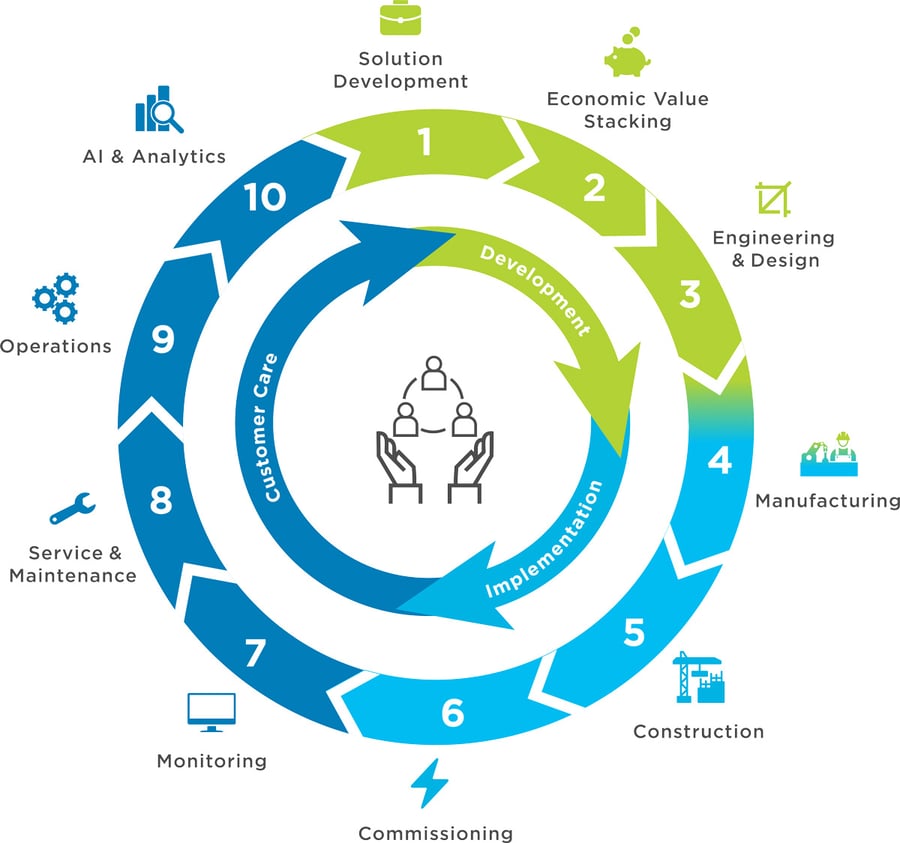
Distributed energy services include the planning, engineering, integration, and operational support required to deploy and manage DERs effectively. DER technologies perform optimally with proper system design, coordination, and ongoing management. Properly evaluating an organization’s needs through a distributed energy services program helps maximize value.
Distributed energy services can help align DER deployment with an organization’s operational priorities, such as increasing reliability, managing costs, and maintaining resilience. A distributed energy services plan should include assessment, system design, deployment, monitoring, and optimization.
A distributed energy integration-led approach to distributed energy services can help organizations make informed decisions about DERs, rather than reacting to grid disruptions or market changes.
Our Approach to Intelligent DERs Management
Although most of the above benefits emerge the moment a distributed energy resource connects to the grid, intelligent management can help grow these benefits to make your operations even more resilient, sustainable and cost-effective.
This is where PowerSecure can help.
With more than 20 years of experience developing, operating and maintaining DERs across a wide range of technologies, we are expert at helping our clients extract the most value from their energy investments. In addition to designing new solutions from the ground up, our in-house team can also seamlessly integrate DERs directly into your current operations, complete with real-time reporting.
Our comprehensive DERs management services also include:
- Predictive modeling and demand forecasting to help optimize DER deployment
- Post-installation support to ensure your energy investments deliver as promised
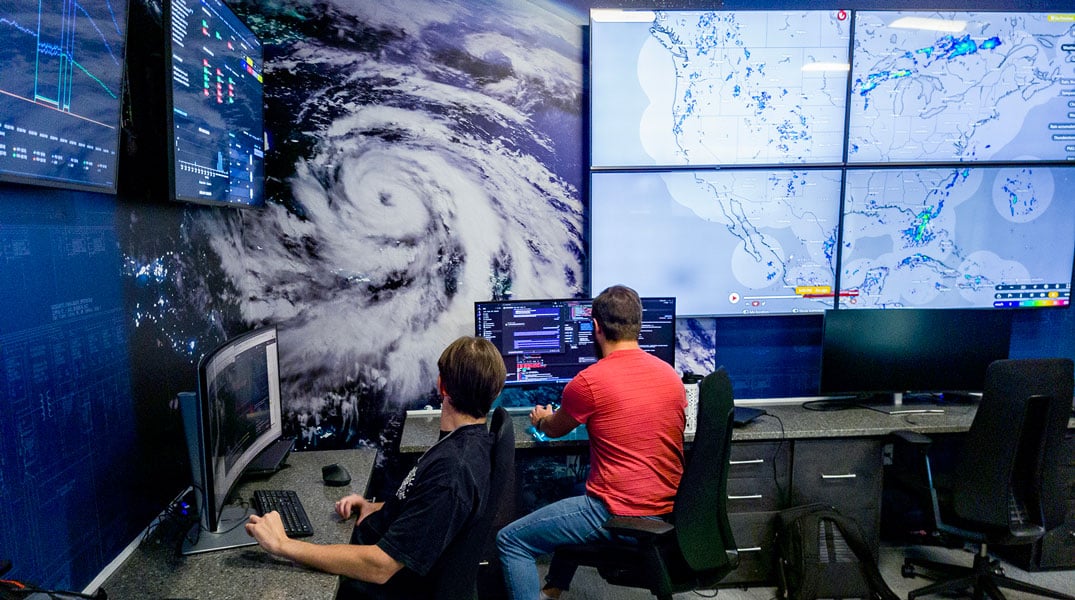
- 24/7/365 system monitoring with our PowerControl management dashboard
How Distributed Energy Services Enable Coordinated, Multi-Asset Energy Systems
Modern DER environments often include multiple asset types that must operate together rather than independently. These systems feature coordinated onsite energy assets. Coordination of DERs is essential for ensuring system reliability and for balancing supply and demand during peak usage times. By managing peak loads and smoothing generation fluctuations, coordinated DERs can provide reliable power.
Distributed energy services focus on this system coordination across generation, storage, and controls through proper evaluation and fact finding. A distributed energy services plan supports facility-level objectives and interaction with the broader utility grid when applicable. Multi-asset DER coordination is a key feature of resilient onsite DER systems. This coordination is supported by DER performance monitoring systems.
Monitoring platforms and analytics in an industrial distributed energy services plan can help assist in maintaining situational awareness and operational stability for DERs. A well applied commercial energy monitoring system can provide real-time tracking, monitoring and management of DERs for reliable application of an organization’s power resources. This helps provide distributed energy lifecycle support for the entire system so power needs are spread evenly.
PowerSecure can help to coordinate DERs for organizations in a controlled, predictable fashion for consistent, reliable energy management and operation. We can provide solutions and forecasting to help optimize an organization’s DERs. We offer distributed energy infrastructure solutions such as Tier 4 Final Compliant diesel engines, advanced energy storage, and microgrid solutions. We are a pioneer in developing distributed power systems and integrating them into sophisticated microgrids for organizations. Learn more about our solutions.
Evaluating Distributed Energy Services for Commercial, Industrial, and Utility Organizations
Organizations should consider DERs for distributed energy implementation when seeking to increase energy resilience against outages, lower high energy costs, meet sustainability targets, and support aging infrastructure. An evaluation of possible DER integration services should take place before an event occurs. Distributed energy system integration within an organization’s energy strategy should focus on using proper DER system engineering services and plans, DER technologies can help bridge any energy gaps an organization is experiencing in power reliability if a proper fit and readiness assessment is made.
Organizations can assess their fit and readiness for DERs by conducting technical feasibility studies as part of a distributed energy services plan. These evaluations will assess the economic viability and infrastructure capability for scaling DERs as part of a comprehensive, strategic energy plan.
DERs can support growth as energy strategies evolve. Each organization operates under different regulatory environments and face different obstacles in facility complexity and load criticality.Not all organizations will require the same level of service support, as needs and requirements will scale with system complexity.
Organizations should align their evaluation of distributed energy services with their unique operational realities and long-term strategic planning. An informed evaluation helps organizations avoid underutilized or misaligned DER investments.
Connect with a PowerSecure representative to learn more today!
Frequently Asked Questions
What are distributed energy services?
Distributed energy services are the planning, engineering, integration, and operational support required to deploy and manage DERs effectively. These services help organizations manage DERs as coordinated systems rather than isolated assets. Services typically extend beyond initial deployment to support long-term performance.
What types of assets are considered distributed energy resources?
DERs include onsite generation, energy storage, and other assets located close to where energy is consumed.
Common DERs include generators, battery storage systems, fuel cells, and renewable generation technologies.
The mix of DER assets used depends on operational priorities and local utility conditions.
Who typically uses distributed energy services?
Commercial and utility organizations with complex energy needs often rely on distributed energy services. Facilities with critical operations or multiple DER assets benefit most from coordinated support.
Service needs vary based on the system scale and operational priorities.
Do distributed energy services support interaction with utilities and markets?
In some cases, distributed energy services help coordinate DER operations with utility requirements or programs. Participation depends on local regulations, tariffs, and system design. PowerSecure helps organizations evaluate whether these interactions align with their goals.
How do distributed energy services support long-term DER performance?
Ongoing monitoring and analysis of DERs helps identify performance issues early. Services can support operational adjustments as facility needs change over time. Long-term support helps protect the value of DER investments.