
Microgrid Installers for Commercial & Industrial Sites
Commercial microgrid installers do much more than just place equipment. They design, coordinate and deliver a complete microgrid solution tailored to a facility’s loads, operating goals, utility requirements and resilience priorities. For commercial and industrial sites, that work entails microgrid engineering and installation, controls integration, testing and long-term planning.
This creates a coordinated onsite power system instead of a loose set of assets, which is crucial for organizations with stringent uptime demands, sensitive processes or complex utility conditions. Teams with a track record in industrial microgrid installation can evaluate real site constraints before construction begins, reviewing critical loads, outage exposure, interconnection requirements, fuel strategy and long-term growth plans. Early preparation shapes onsite microgrid installation around what the facility truly needs.
A well-planned project will often include dispatchable generation, renewable energy, switchgear, controls and energy storage. In many cases, a battery energy storage system can support power quality and resilience. Strong microgrid system integration is what allows those components to operate as one microgrid system during both normal operation and grid events.
PowerSecure’s basic microgrid solutions and advanced microgrids reflect that site-first approach. For businesses and government agencies, installation quality directly impacts reliability, serviceability and operability. The right microgrid installation partner helps move energy planning from a reactive backup strategy to a more deliberate resilience strategy built around the site.
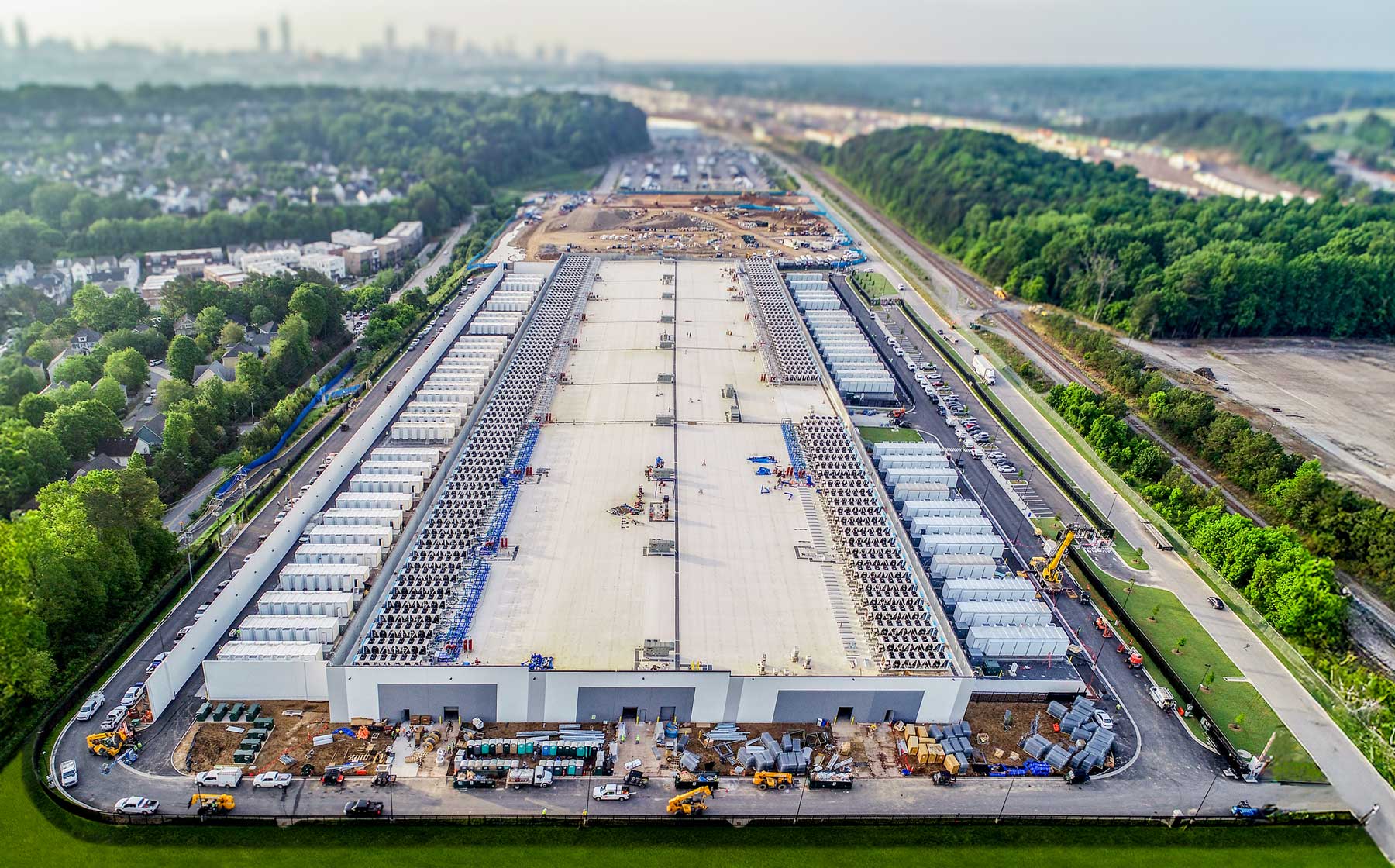
End-to-End Microgrid Installation and Integration for Commercial and Industrial Sites
A commercial microgrid project usually moves through multiple phases: engineering, procurement, construction, utility coordination, testing and commissioning. That wide scope is why many customers look for microgrid deployment services that cover the entire delivery path, often described as turnkey microgrid installation.
For larger or more complex sites, delivery needs to account for operating priorities, available space, existing infrastructure and future expansion. That’s especially true with microgrid installation for large facilities, where system architecture can become more complicated. A phased design supports scalable microgrid installation, allowing modular growth and future changes in load profile or operating strategy. That same planning can also guide custom microgrid installation services for facilities with unique power requirements.
Commissioning is a critical step, as it confirms that controls, generation assets, switchgear, storage and monitoring systems all work together under defined operating conditions. This is a major consideration in mission-critical microgrid installation, where a site might demand stable performance during a utility outage or other disruption. When working with a strong commercial microgrid installation company, support doesn’t stop at startup; the partnership should continue to support service expectations and diagnostics.
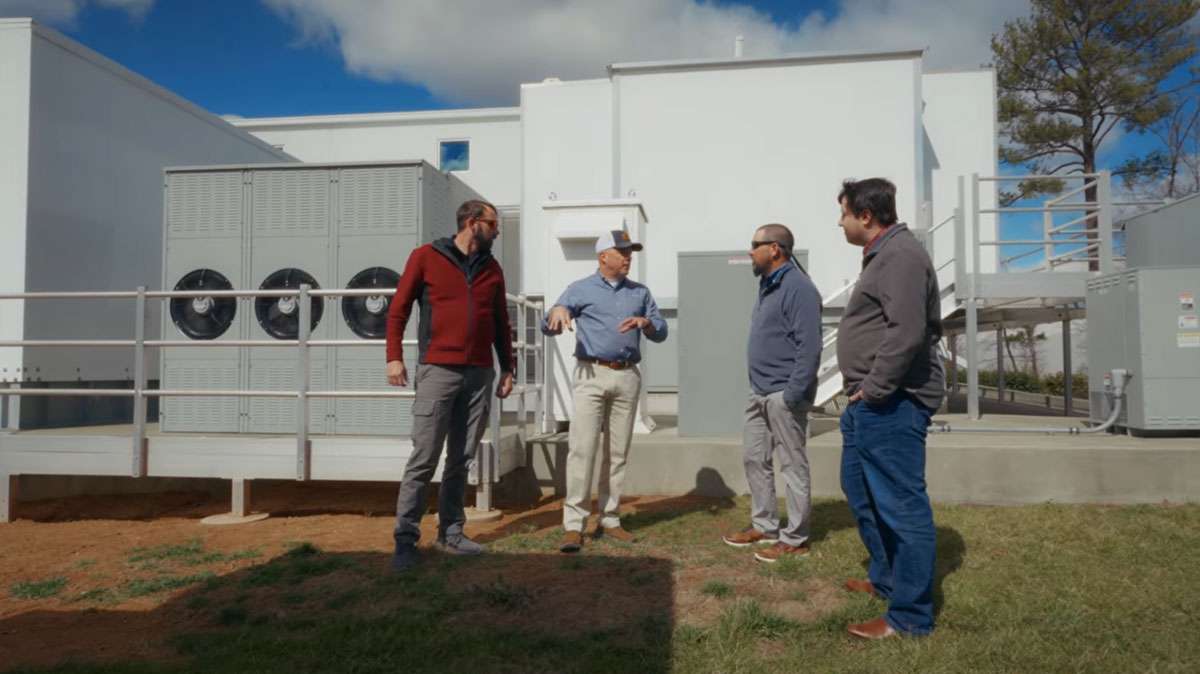
Creating Long-Term Value Through Professionally Installed Microgrid Systems
Professionally installed systems create value through reliability, visibility and lower operational uncertainty. A thorough microgrid cost analysis should account for capital cost, operating strategy, maintenance, outage risk, tariff structure and possible participation in demand response programs. Some facilities can also evaluate peak shaving or other cost management strategies, though the benefit depends on the site, the tariff and local market rules.
Long-term value also depends on serviceability; strong installation makes future testing, maintenance and upgrades easier to manage. That’s where microgrid lifecycle services and maintenance support become important. Facilities expecting growth or equipment changes often benefit from planning for expansion during the first build, reducing future disruption and cost.
Real project history is paramount. Make sure to review microgrid case studies to compare delivery experience, project fit and operating outcomes. Financing strategy shouldn’t be overlooked, either. Many organizations ask about microgrid financing options, especially when energy resilience goals need to be balanced against budget constraints. Ultimately, the best path depends on the project structure, tax position, site goals and available incentives.
PowerSecure is proud to serve as a long-term partner across design, installation, commissioning and support. To discuss your site requirements and next steps, contact PowerSecure today.
Frequently Asked Questions About Microgrid Installers
What should organizations look for in a microgrid installer?
Prioritize experience with commercial and industrial projects, the ability to manage engineering through commissioning and a clear approach to utility coordination, service and expansion planning.
How long does it take to install a commercial microgrid?
The timeline varies based on system size, site conditions, permitting, utility requirements and commissioning scope. Most projects move in multiple phases, from design through startup.
Can microgrid installers support future expansion or changes?
Yes. Well-planned systems can be made to handle modular growth, changing facility needs and long-term resilience goals.