
Mar. 26, 2026
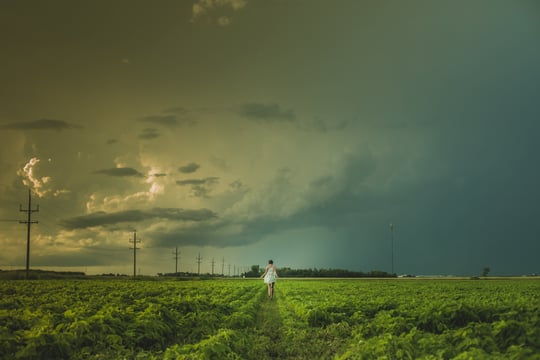 From hospitals and water systems to data centers and manufacturing, reliable power underpins safety, economic stability and nearly every other element of modern life.
Yet even well-designed systems still experience interruptions. When power outages occur, they often reflect a combination of factors: environmental stress, equipment condition and operational response.
Many organizations studying power outages eventually examine how microgrids strengthen business continuity plans, as well as how resilience planning differs from traditional reliability approaches.
Truly understanding what causes power outages requires a holistic look at the system. Events can show up as a brief power cut, a scheduled maintenance interruption or an unplanned power outage tied to weather, equipment or outside interference. Context is crucial here, especially for emergency planners, utility engineers and business owners managing risk in real time.
What Causes Power Outages? An Overview of Common Triggers
Essentially, a power outage is an interruption in the typical delivery of electricity. It can originate at generation, along transmission corridors, in substations or on local distribution circuits that feed homes and facilities. Outages can range from momentary interruptions that reset electronics, all the way to sustained regional events lasting hours or even days.
Outages fall on a spectrum; a planned outage might occur when utilities perform maintenance or upgrades, while an unplanned event could stem from storm damage, equipment failure or external interference (squirrels and birds are particular menaces to lineworkers). The public tends to see these simply as outages, but technically they reflect different initiating causes and operating decisions.
Are power outages random or predictable?
In a statistical sense, most outages are not necessarily random. Utilities analyze historical data to identify patterns in the causes of power outages, including vegetation growth, seasonal storm cycles, equipment age and demand patterns. National reliability organizations publish regular event analysis reports that study major disturbances and recommend improvements. For example, the North American Electric Reliability Corporation (NERC) conducts formal event analyses to determine root causes and how to improve bulk power system reliability.
Still, predicting the exact time and location of a fault remains difficult. A falling branch, a vehicle accident or a sudden temperature spike can shift conditions swiftly. In some cases, outages result from multiple contributing factors occurring together rather than a single isolated issue.
Why do outages affect some areas more than others?
Outages affect areas differently since grid design varies by region. A distribution system failure on a radial circuit may interrupt a few thousand customers, while transmission line damage on a major corridor can affect a much larger area. Circuit configuration, available backup feeds, terrain, weather severity, and vegetation density all shape the outage footprint.
When a power line experiences a fault, protective relays isolate that segment to prevent a broader electrical system failure. That isolation is intentional, as it limits equipment damage and protects public safety, even though customers downstream lose service until repairs are complete.
Utilities also use operational tools such as load shedding under extreme stress. In some cases, this appears as rolling blackouts, where power is rotated among service areas to reduce stress on the system.
Severe Weather and Environmental Events
Weather consistently ranks as the leading driver of major outage minutes in the United States. Severe storms can impact wide geographic areas at once, which is why discussions of weather-related power outages dominate reliability reporting. Wind, ice, lightning, flooding and wildfires can all trigger faults across multiple circuits simultaneously.
Different weather conditions stress systems in different ways:
- High winds and hurricanes: Wind can topple poles, snap conductors and drive debris into energized equipment.
- Winter storm conditions: Ice loading adds weight to lines and structures. Combined with wind, this increases the likelihood that tree limbs fall into conductors.
- Extreme heat: Heat increases conductor temperature and pushes demand higher due to air conditioning use. This can contribute to load-related outages during peak periods.
- Flooding and lightning: Water intrusion can damage substation components, while lightning strikes can trip breakers and trigger a protective shutdown.
- Wildfire conditions: In arid environments, power lines and electrical equipment can become ignition sources. To mitigate this risk, utilities may limit system capacity or proactively de-energize certain lines during high-risk conditions, resulting in temporary outages.
During extreme weather events, physical damage and high demand often occur simultaneously. The impact of weather on power supply is both mechanical and operational; such events often cannot be fully avoided despite inspection cycles and system hardening efforts.
Animals, Trees and Natural Interference
Animals can bridge energized components, nest inside equipment or contact exposed parts, creating a short circuit and leading to breaker operation. Wildlife causing power outages remains a top concern, with squirrels and birds being the most common culprits.
These events are typically localized and quickly resolved once crews remove the interference. However, for critical facilities, even a brief interruption can derail operations.
Why are trees a frequent source of outages?
Vegetation is one of the most common power outage causes. Trees grow continuously, and even with trimming programs, storms can still move tree limbs into conductors.
Are these outages preventable?
They can be reduced, but they cannot be eliminated entirely. Utilities invest heavily in vegetation management and equipment shielding, but outdoor infrastructure operates across diverse terrain. As a result, localized faults tied to animals or vegetation remain part of daily operations.

Accidents, Construction Activity and External Mechanical Damage
Power outages caused by vehicle accidents are not uncommon. Vehicle collisions with utility poles or pad-mounted transformers can interrupt service immediately; damage to a single pole may affect several circuits if equipment is co-located.
Why does construction work sometimes disrupt power?
Excavation and drilling can accidentally strike underground cables. With construction damage to power lines remaining a frequent cause of localized outages, call-before-you-dig programs help reduce these incidents by marking underground utilities before excavation begins.
What is outside mechanical damage?
Outside mechanical damage refers to third-party physical interference that is unrelated to weather or normal aging. Examples include dig-ins, crane contact with overhead lines or vandalism. While often preventable at the project level, these events cannot be eliminated entirely across a large service territory.
Aging Infrastructure, System Demand and Capacity Strain
Although equipment is designed for decades of operation, materials still degrade over time. Corrosion, insulation breakdown and mechanical fatigue all increase the risk of equipment failure power outage.
These issues represent a subset of broader infrastructure failures. Careful maintenance of electrical systems is central to grid reliability; maintenance programs help identify high-risk assets and proactive replacement cycles reduce exposure.
How does high electricity demand affect reliability?
Rising demand from population growth, electrification and data center expansion places additional strain on circuits and substations. During peak demand, transformers operate near capacity and reserve margins tighten.
If supply or transmission limits are reached, operators may implement capacity-related outages. In extreme cases, system operators may implement rotating outages to stabilize frequency and voltage.
Why are outages more common during peak usage periods?
High load increases stress on equipment and reduces operating headroom. Energy consumption spikes during heat waves or cold snaps can push systems toward protective limits. Under these conditions, utilities take deliberate actions to reduce load and prevent cascading instability.
Demand-driven events are typically described as load-related outages, and they often coincide with weather-related stress. Heat can simultaneously degrade conductor performance and boost air conditioning usage.
How Organizations Can Prepare for Power Outages (and Why It Matters)
Outages have an outsized impact on safety, operations, communications, and regulatory compliance. Emergency planners and facility managers benefit from mapping critical loads and documenting response procedures for short power cuts and longer unplanned interruptions.
That process typically starts with identifying which systems must remain operational at all times; life safety systems, communications infrastructure, process controls, refrigeration, data systems and security equipment are often seen as priority loads. From there, organizations can define recovery time expectations, determine acceptable downtime thresholds and align those requirements with available backup power resources.
Preparation also entails a thorough evaluation of how outages affect interconnected systems. For instance, power loss might not only impact production equipment, but also access control, fire protection systems and environmental controls. Understanding dependencies helps teams avoid secondary failures that extend downtime or increase risk.
Operational readiness plays another important part in the process. Facilities benefit from clear response procedures, regular testing of transfer equipment and full coordination with local utilities and emergency services. Without these steps, even well-designed systems are unlikely to perform as intended in an outage event.
For many organizations, resilience planning starts with clear business continuity plans. That framework defines recovery priorities and clarifies operational roles during disruptions.
What preparedness strategies improve resilience?
Facilities in storm-prone regions can integrate weather modeling, fuel logistics planning, and equipment inspections into annual preparedness cycles. Utilities and large enterprises often coordinate with local authorities to improve communication during widespread events.
Specialized support, such as storm resiliency services, can assist organizations in aligning technical resources with operational response requirements in the face of major incidents.
When should organizations consider backup power or microgrids?
Organizations typically evaluate onsite resilience when outage risk intersects with operational criticality. Healthcare facilities, water treatment plants, manufacturing sites and data centers all frequently invest in distributed energy strategies.
In some cases, traditional generators provide adequate coverage. But in others, integrated architectures that combine generation and storage offer better flexibility. Many organizations look into microgrid solutions when they require coordinated response across multiple energy assets.
For organizations assessing risk, the ultimate goal is to manage exposure, protect critical loads and maintain continuity when the grid experiences disruption.