
Feb. 13, 2025
Key Takeaways
- Hospital backup power systems are mandatory and must meet strict codes. NFPA 99, NFPA 101, and NFPA 110 define design, testing, and documentation standards.
- Routine EPSS All-hazards Risk Assessments identify vulnerabilities, support compliance, guide contingency plans, and prioritize upgrades for hospital power systems, especially in facilities with aging infrastructure.
- Rural hospitals can face logistics challenges. Best practices include monthly testing, maintaining on-site fuel reserves, and designing resilient, site-specific solutions.
- A variety of power generation options are available for healthcare facilities.
- Sizing and redundancy matter. The number and placement of generators should prioritize ICUs, ORs, and life safety systems, avoid single points of failure, and allow for future expansion.

In today’s healthcare landscape, reliable power is non-negotiable. Hospitals depend on consistent and immediate energy sources to safeguard patient care, power life-saving equipment, and maintain critical operations during unexpected and extended outages. However, aging healthcare infrastructure often falls short of meeting these power demands, making reliable backup power solutions a top priority for hospitals nationwide.
This guide explores the importance of compliant backup power, regulatory requirements, and tailored solutions hospitals must consider—particularly those with aging systems or rural accessibility challenges.
The Critical Role of Backup Power in Hospitals
Hospitals are mission-critical facilities that cannot afford downtime. Backup power systems bridge the gap during outages, enabling life-saving interventions and supporting critical equipment. Unlike basic generators, hospital backup power must comply with stringent regulatory requirements to ensure patient safety, avoid system failures, and maintain uninterrupted care.
A single power outage could compromise patient care, interrupt surgeries or disable critical systems. Many hospitals have an aging electrical infrastructure, so assessing whether their backup power systems meet modern standards is essential. Facilities relying on older generators or insufficient fuel reserves risk delays in restoring power, which could potentially endanger lives.
Understanding The Risk
A risk assessment such as the EPSS All-hazards Risk Assessment provides a systematic approach to identifying, assessing and mitigating potential risks to a hospital’s power systems. By evaluating both natural and human-made disasters, regular assessments can help hospitals identify vulnerabilities in backup power infrastructure, develop contingency plans, ensure compliance and prioritize upgrades needed to protect patient safety.
"Whether you're new or seasoned in the healthcare environment, one of the first things you want to ensure is that you're looking at your life safety systems, and that's generally all tied around your electrical distribution. In healthcare, the most important thing is reliability and power to your facilities. Without power, nothing else in healthcare happens."
- Rod Allen, System Director of Plant Operations for Lee Memorial Health System
The Requirements of Backup Power Generators for Hospitals
Numerous compliance regulations ensure reliability and safe hospital backup power. These requirements mandate backup systems to provide effective and immediate energy to critical areas while adhering to legal and operational standards. Key regulatory bodies include:
Hospitals must test their backup power systems monthly to meet accreditation requirements. These tests ensure generators can operate effectively under emergency conditions and provide an opportunity to identify potential issues before they escalate.
DNV is an accrediting organization that offers an alternative pathway to hospital accreditation while focusing on continuous quality improvement through risk-based assessments. It aligns with ISO 9001 standards and emphasizes operational resilience, including backup power systems.
DNV requires healthcare facilities to assess potential risks to their power systems and ensure compliance with NFPA codes. This includes testing, maintenance, and operational planning for emergencies and backup power systems.
- Hospitals must document contingency plans for power outages and validate their effectiveness through routine drills.
- DNV encourages hospitals to integrate risk management, such as EPSS All-Hazards Risk Assessments, into their emergency preparedness programs to identify vulnerabilities and improve resilience.
Accreditation through DNV ensures that hospitals go beyond compliance, adopting a proactive approach to risk mitigation and emergency planning for backup power.
3. National Fire Protection Association (NFPA) Regulations
The NFPA sets the backup power reliability, safety, and performance standards. Hospitals must comply with the following NFPA codes:
- NFPA 70: National Electric Code (NEC) The NEC outlines best practices for installing, operating, and maintaining electrical systems. It requires power restoration within strict time limits:
- Level 1 systems for life support and critical loads: Power restoration must occur within 10 seconds.
- Level 2 systems: Power restoration must occur within 60 seconds.
- NFPA 99: Health Care Facilities Code NFPA 99 classifies backup power systems based on risk levels. For hospitals, backup power typically falls under Category 1, which addresses situations where power failure could result in serious injury or death.
- NFPA 101: Life Safety Code NFPA 101 ensures emergency power is available for life support systems and specifies maintenance, fuel capacity, testing, and documentation requirements to ensure long-term reliability.
- NFPA 110: Standard for Emergency and Standby Power Systems NFPA 110 outlines installation, maintenance, and performance criteria for emergency power systems. Risk is categorized into:
- Level 1: Backup power failures pose a serious risk to life safety.
- Level 2: Backup power failures are unlikely to result in injury.
Hospitals must prioritize Level 1 systems to remain compliant and safeguard patient well-being. Failure to comply with these standards could lead to fines, loss of accreditation, or compromised patient safety.
Hospitals must still comply with NFPA standards, CMS regulations, and the requirements of deemed status organizations like the TJC and the DNV to maintain accreditation and federal funding.
"The codes are minimums. Depending on where you're at, you have to look at the environment around you."
- Rod Allen, System Director of Plant Operations for Lee Memorial Health System
Continue reading...
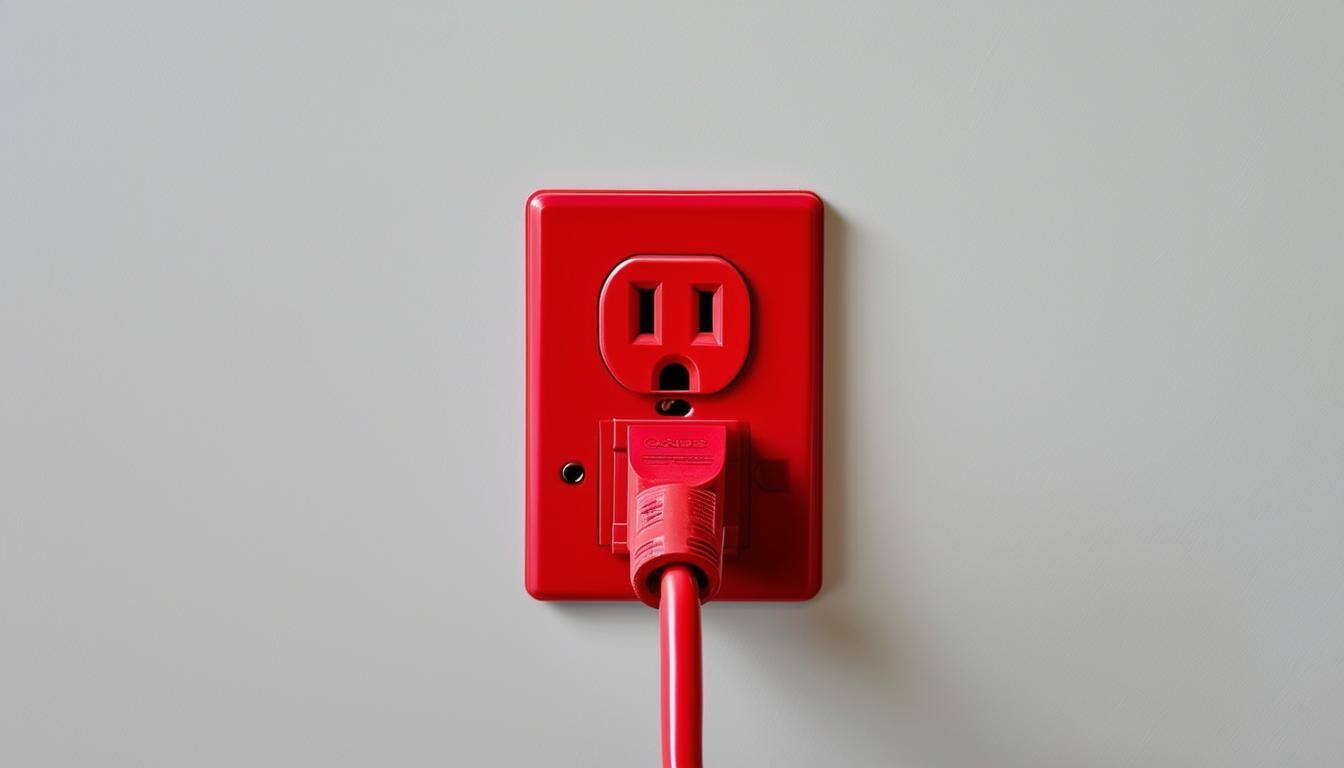
Want to read about the best way to meet and even exceed “red plug” resiliency? Download the full Comprehensive Guide to Backup Power for Hospitals to learn what you can do to ensure your patients and team members have the power to succeed.
Download the Comprehensive Guide to
Backup Power for Hospitals
Enter your information to download this resource.